

Dr Brian Grainger
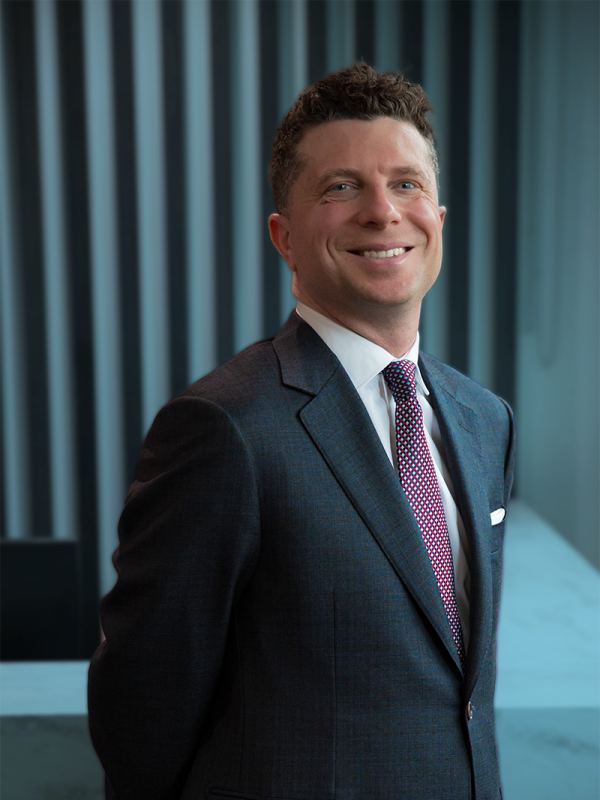
Dr Brian Grainger
Details
- Speciality: Haematological cancers
- Education: MBBS (Hons)
Departments
Clinical HaematologistHAEMATOLOGIST
Dr. Brian Grainger obtained undergraduate degrees in both science and medicine at the University of Auckland in New Zealand, graduating with distinction in 2011. Following this, he undertook basic physician training and advanced training in both clinical and laboratory haematology at Auckland City, Middlemore and North Shore Hospitals in the Auckland metropolitan region, attaining admission as a Fellow of the Royal Australasian College of Physicians and Royal College of Pathologists of Australasia in 2021.
Brian then emigrated to Australia to broaden his expertise and has completed a clinical fellowship with internationally-recognised lymphoma expert Professor Chan Cheah at Sir Charles Gairdner Hospital in Perth, gaining comprehensive expertise in the management of lymphoid malignancies, including exposure to a broad suite of both early- and late-phase clinical trials. His earlier postgraduate career also includes fellowship positions at the Royal Melbourne Hospital and the Alfred Hospital in classical haematology and thrombosis and haemostasis.
In 2025, Brian was privileged to be awarded the GURNER Snowdome Immunotherapy Fellowship and has joined the multidisciplinary team of clinicians and scientists at the Epworth Centre for Immunotherapies and Snowdome Laboratories (ECISL) to advance research in novel immune therapies for haematologic malignancies, including CAR-T cell therapy. He is also a Clinical Senior Lecturer at the University of Melbourne, maintaining active involvement in medical education.
In addition to his ongoing commitment to advancing medical knowledge, Brian has joined the dedicated team at Precision Haematology. Benefiting from a broad post-fellowship experience that has included exposure to both malignant and non-malignant haematology, he welcomes referrals for a diverse range of haematologic problems, including abnormal blood counts, anaemia, bleeding disorders, venous blood clots, abnormal proteins in the blood, and enlarged lymph nodes.
Above all, Brian’s priority is to provide thoughtful, compassionate care tailored to each individual’s unique situation. He values clear communication and active involvement by patients in their treatment, ensuring they feel well-informed and supported throughout the process.